-cover.jpg)
-cover.jpg)
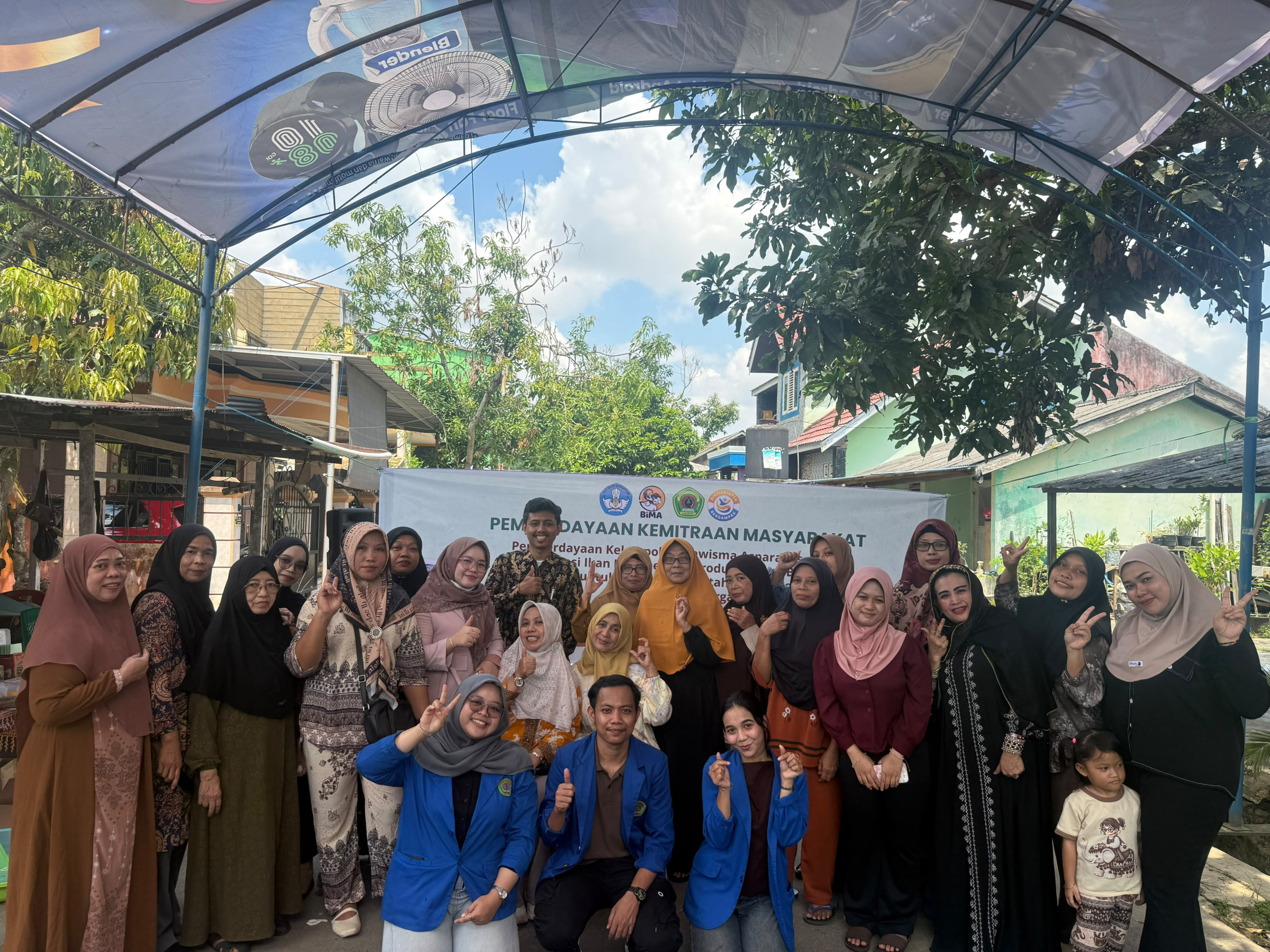
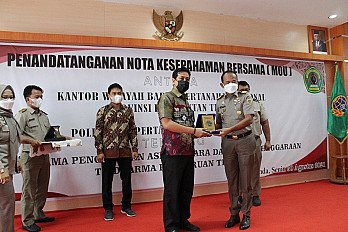
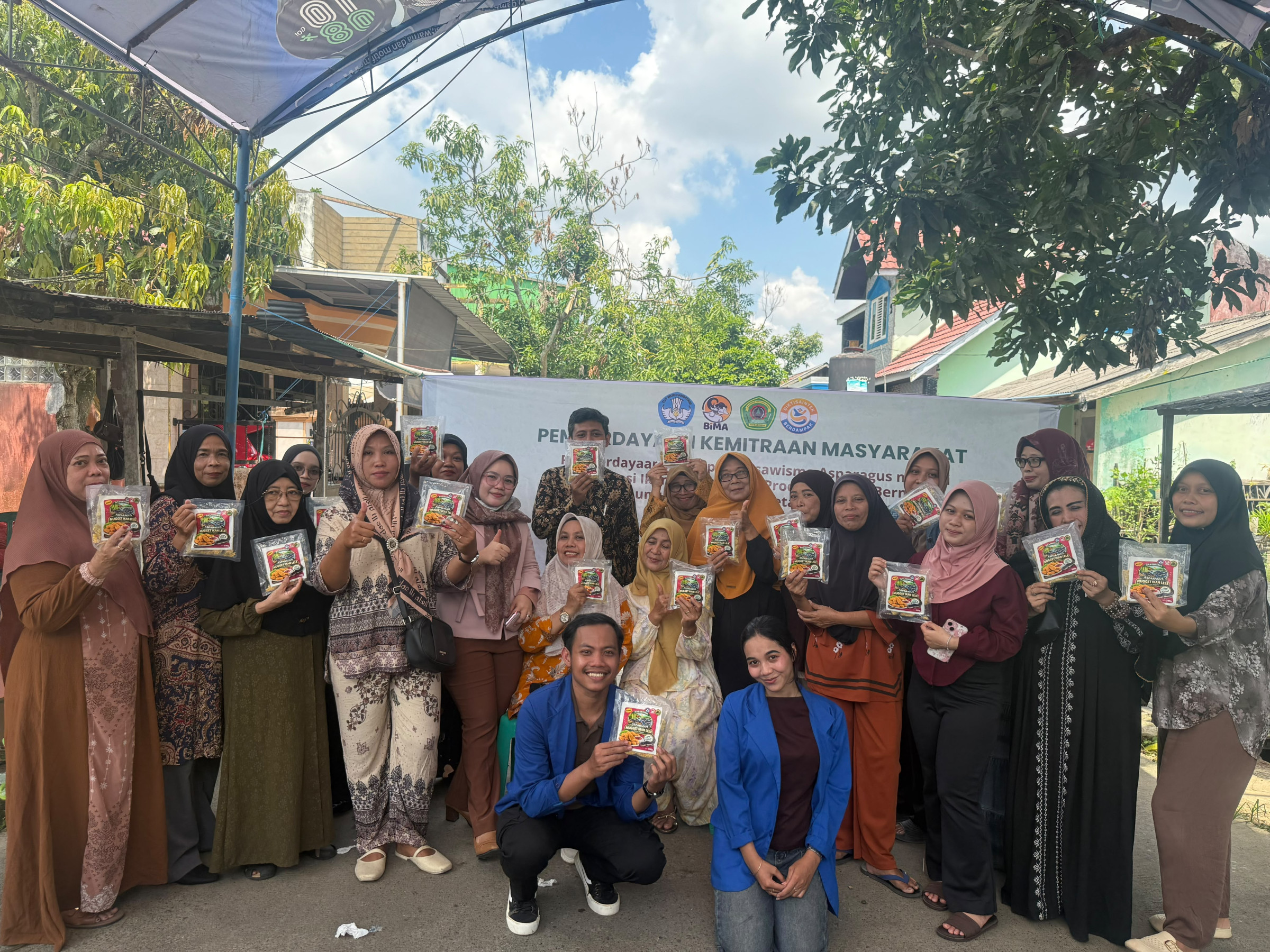
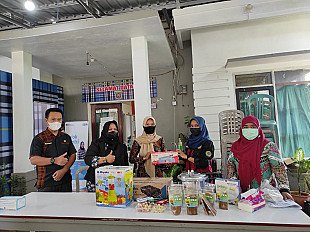
SAMARINDA (25/07/2026) – The Samarinda State Agricultural Polytechnic (Politani Samarinda)'s commitment to delivering innovations that directly impact the community was once again demonstrated through a Community Service (PkM) activity. Collaborating with Mulawarman University, a team of lecturers provided training on processing catfish into nutritious, value-added nuggets to the Dasawisma Asparagus Group in the Bengkuring Housing Complex, Sempaja Timur Village, North Samarinda District, on Saturday (July 25, 2026). This activity aimed to improve family food security while also opening up business opportunities based on local food potential.
The training carried the theme "Empowering the Dasawisma Asparagus Group through Downstream Processing of Catfish into Value-Added Nugget Products to Support Food Security and the Family Economy." The program is part of the 2026 Community Service Program supported by the Directorate of Research and Community Service (DPPM), Directorate General of Research and Development, Ministry of Higher Education, Science, and Technology (Kemdiktisaintek).
The Community Service Team Leader and lecturer at Samarinda Polytechnic, Mika Debora Br. Barus, S.Pd., M.Si., explained that utilizing catfish as a raw material for nuggets is a form of downstream fishery product processing that can increase the economic value of local commodities. According to her, catfish are high in protein, easy to cultivate, and abundantly available. However, most of the harvest is still sold fresh at a relatively low selling price.
She added that processing catfish into nuggets combined with vegetables is expected to improve the taste, appearance, and appeal of the product, especially to children who generally dislike processed catfish in its whole form. This innovation is also projected to increase the selling value by up to two times compared to selling fresh catfish, making it a potential home-based business that can supplement family income.
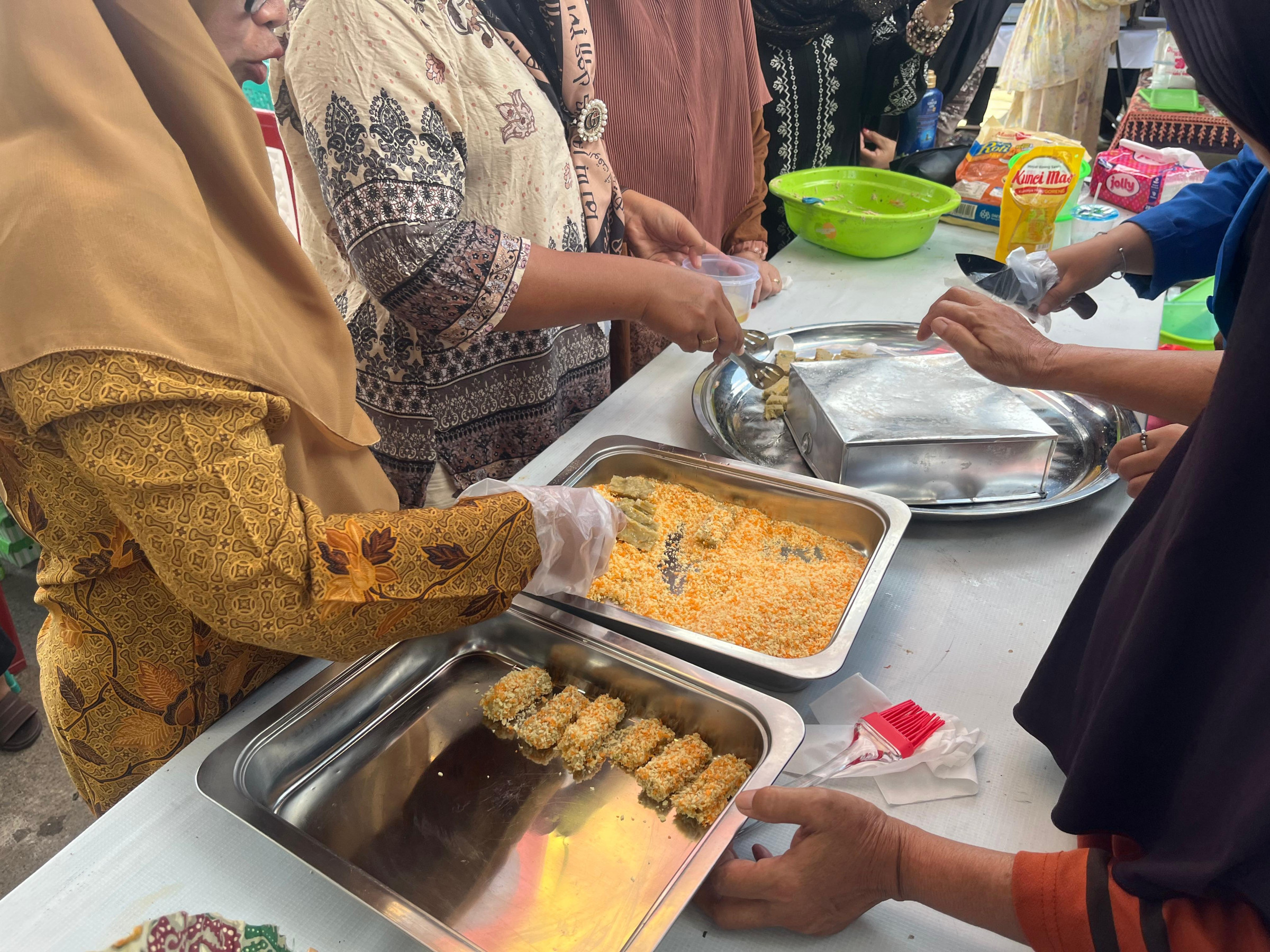
During the training, participants received hands-on training and practical experience, covering raw material selection, processing, dough formulation, steaming, flour coating, and presentation and packaging techniques to ensure product competitiveness in the market. Participants' enthusiasm was evident throughout the training, as the material presented was deemed easy to implement and aligned with community needs.
The Head of the Center for Research and Community Service (P3KM) at Politani Samarinda, Dr. Andi Lisnawati, S.P., M.Si., stated that this activity represents a concrete implementation of the Tri Dharma of Higher Education, particularly in the area of community service. Through the transfer of appropriate knowledge and technology, universities are expected to provide solutions to various problems faced by the community while simultaneously encouraging improved welfare based on local potential.
Furthermore, Andi Lisnawati explained that the program is also aligned with efforts to support the achievement of the Sustainable Development Goals (SDGs), particularly the goals of No Poverty (Goal 1) and Zero Hunger (Goal 2) through community empowerment, increased consumption of nutritious food, and the development of micro-enterprises based on aquaculture products.
Through collaboration between universities and the community, Politani Samarinda hopes that simple, locally sourced innovations like catfish nuggets will not only provide a nutritious food alternative but also create added economic value, strengthen family food security, and foster new, competitive entrepreneurs. This initiative demonstrates that the scientific and research findings of universities can be implemented effectively to provide broad benefits to the community and support sustainable development. (HUMAS)
The training carried the theme "Empowering the Dasawisma Asparagus Group through Downstream Processing of Catfish into Value-Added Nugget Products to Support Food Security and the Family Economy." The program is part of the 2026 Community Service Program supported by the Directorate of Research and Community Service (DPPM), Directorate General of Research and Development, Ministry of Higher Education, Science, and Technology (Kemdiktisaintek).
The Community Service Team Leader and lecturer at Samarinda Polytechnic, Mika Debora Br. Barus, S.Pd., M.Si., explained that utilizing catfish as a raw material for nuggets is a form of downstream fishery product processing that can increase the economic value of local commodities. According to her, catfish are high in protein, easy to cultivate, and abundantly available. However, most of the harvest is still sold fresh at a relatively low selling price.
She added that processing catfish into nuggets combined with vegetables is expected to improve the taste, appearance, and appeal of the product, especially to children who generally dislike processed catfish in its whole form. This innovation is also projected to increase the selling value by up to two times compared to selling fresh catfish, making it a potential home-based business that can supplement family income.
During the training, participants received hands-on training and practical experience, covering raw material selection, processing, dough formulation, steaming, flour coating, and presentation and packaging techniques to ensure product competitiveness in the market. Participants' enthusiasm was evident throughout the training, as the material presented was deemed easy to implement and aligned with community needs.
The Head of the Center for Research and Community Service (P3KM) at Politani Samarinda, Dr. Andi Lisnawati, S.P., M.Si., stated that this activity represents a concrete implementation of the Tri Dharma of Higher Education, particularly in the area of community service. Through the transfer of appropriate knowledge and technology, universities are expected to provide solutions to various problems faced by the community while simultaneously encouraging improved welfare based on local potential.
Furthermore, Andi Lisnawati explained that the program is also aligned with efforts to support the achievement of the Sustainable Development Goals (SDGs), particularly the goals of No Poverty (Goal 1) and Zero Hunger (Goal 2) through community empowerment, increased consumption of nutritious food, and the development of micro-enterprises based on aquaculture products.
Through collaboration between universities and the community, Politani Samarinda hopes that simple, locally sourced innovations like catfish nuggets will not only provide a nutritious food alternative but also create added economic value, strengthen family food security, and foster new, competitive entrepreneurs. This initiative demonstrates that the scientific and research findings of universities can be implemented effectively to provide broad benefits to the community and support sustainable development. (HUMAS)
-thumb.jpg)