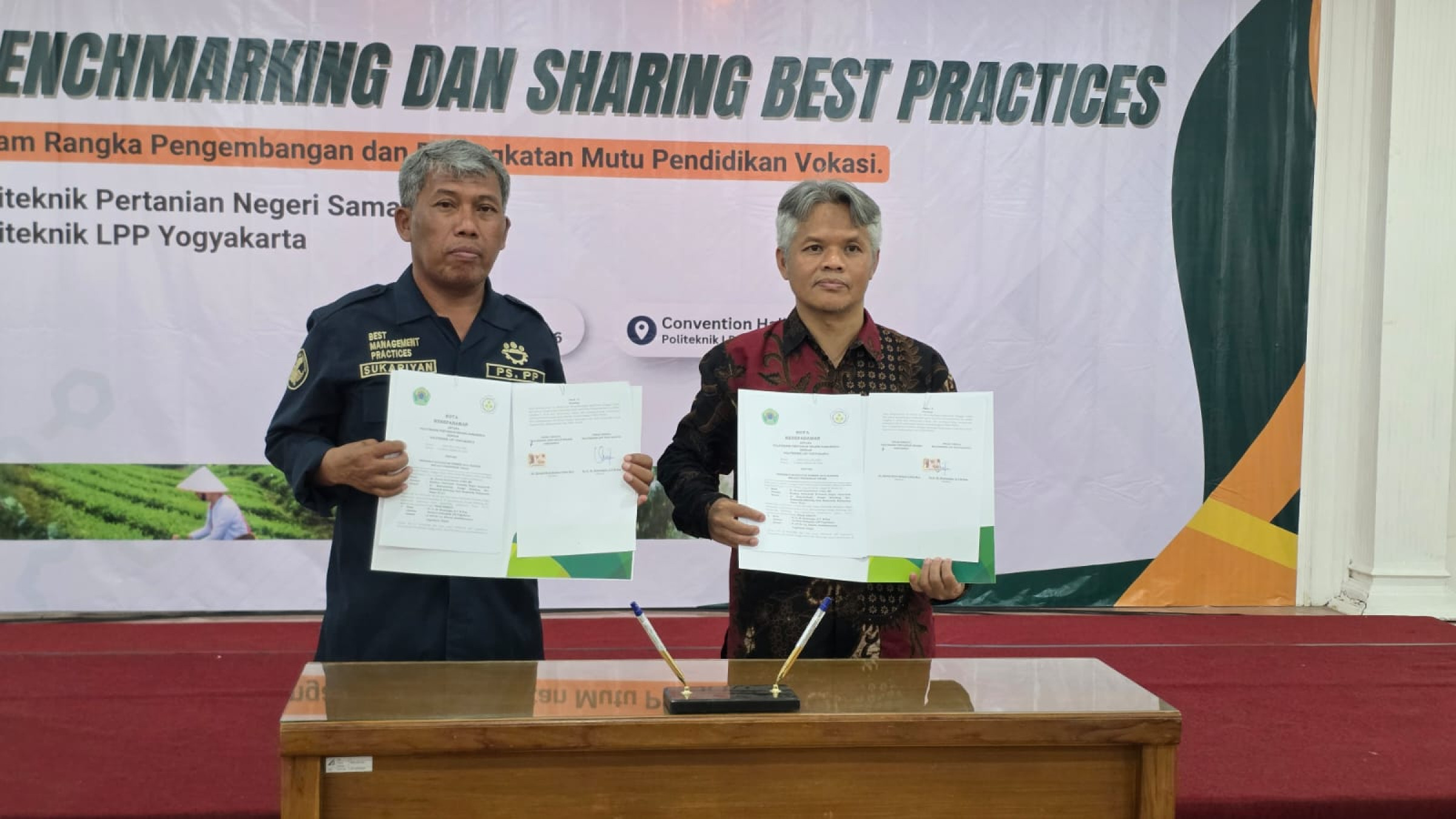
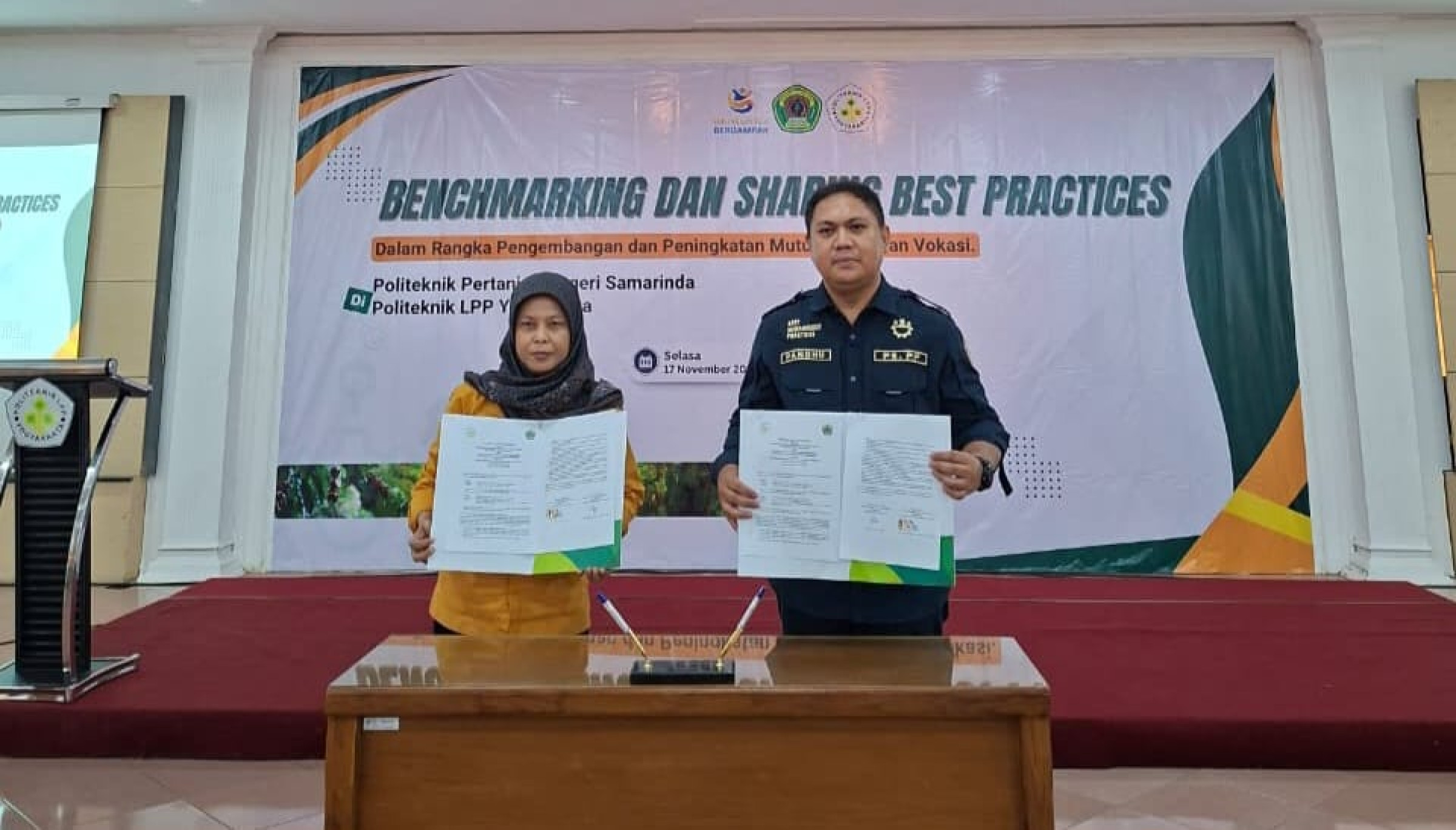
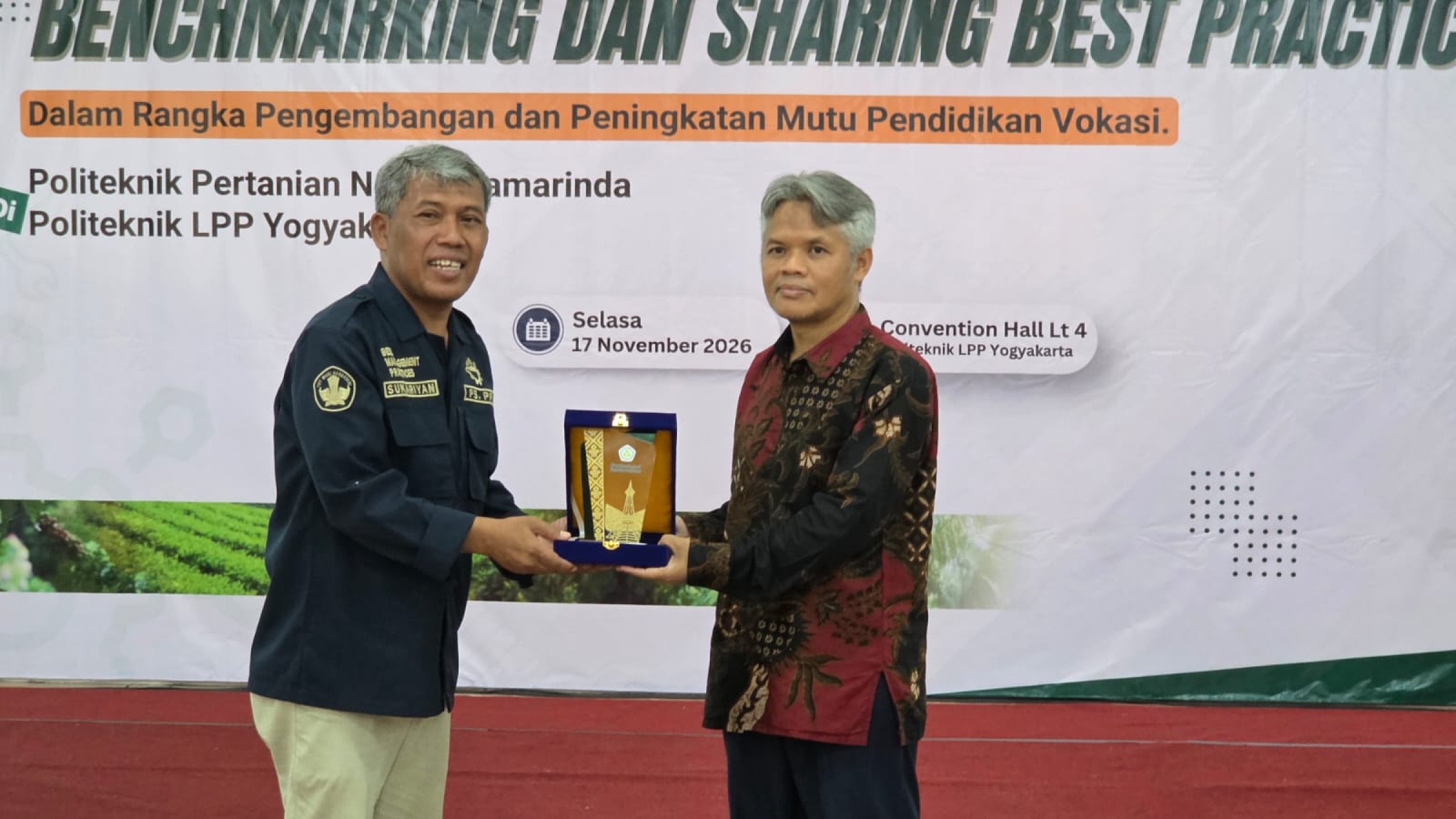
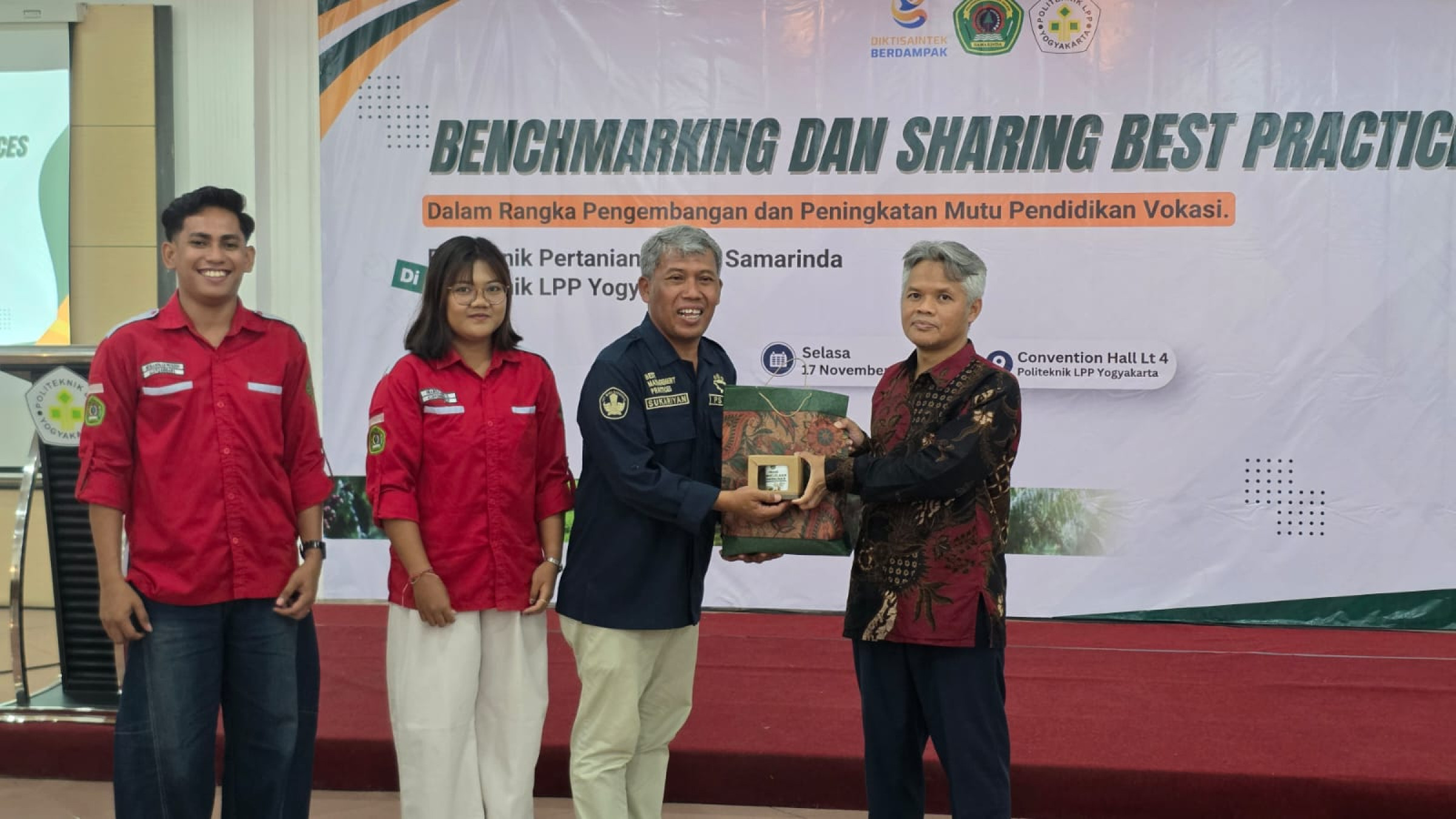
SAMARINDA (24/11/2026) – The State Agricultural Polytechnic (Politani) of Samarinda continues to strengthen its commitment to developing superior, globally competitive human resources for the plantation sector. This concrete effort has been realized through the signing of a Memorandum of Understanding (MoU), a benchmarking and best-practice sharing forum, and a professional orientation program for students of the Plantation Management Study Program—part of the Department of Agriculture—in collaboration with the LPP Polytechnic of Yogyakarta.
The series of events, held from November 16–19, 2026, in Yogyakarta, served as a strategic milestone for integrating experiential learning with the strengthening of networks among vocational higher education institutions, particularly within the oil palm plantation sector.
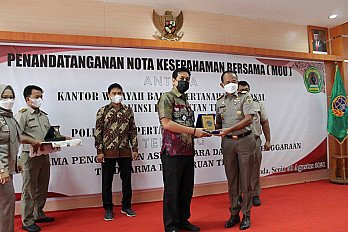
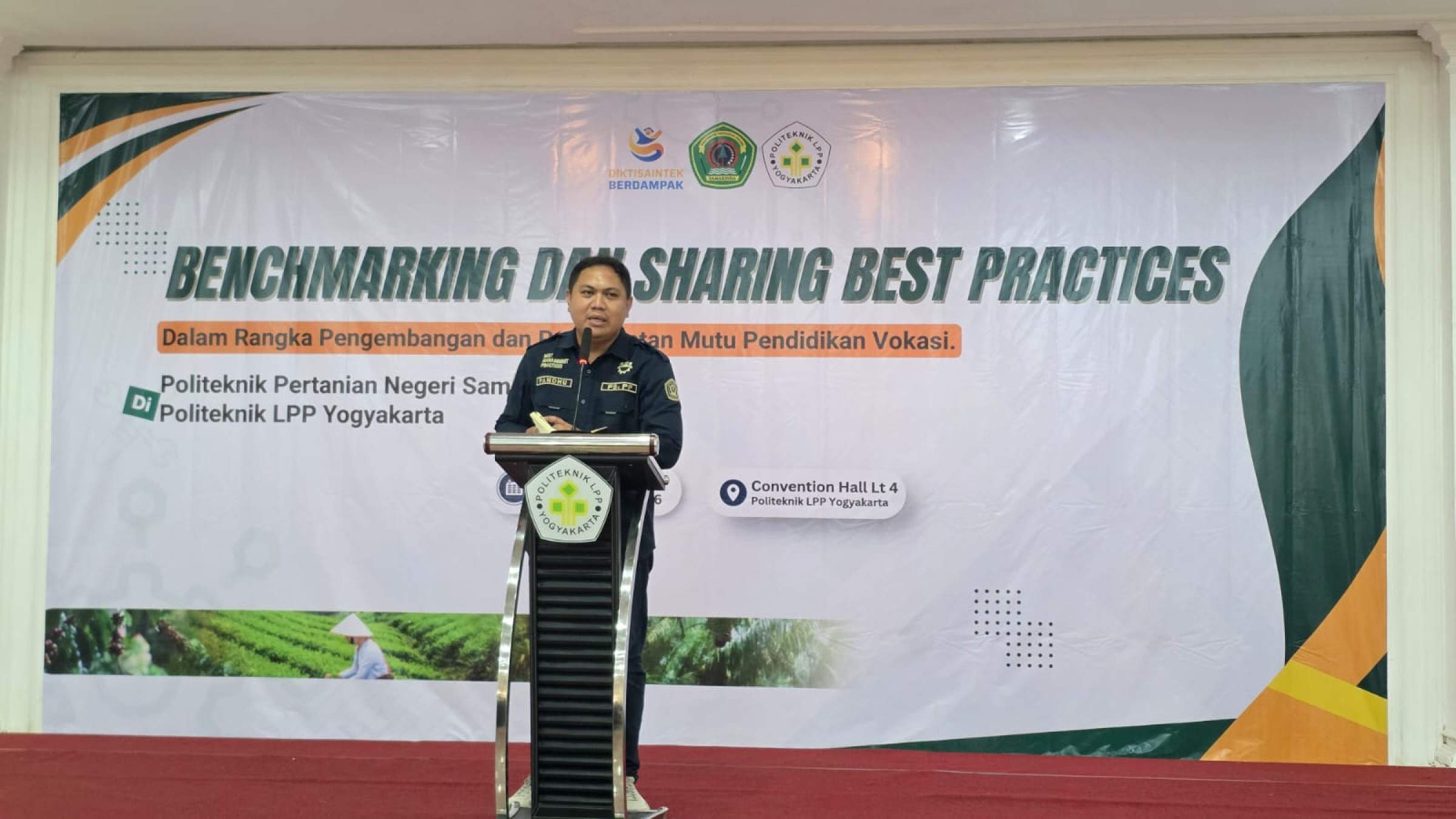
The highlight of the institutional engagement took place on Tuesday (17/11/2026) at the Convention Hall on the 4th floor of the LPP Polytechnic of Yogyakarta. The delegation from Politani Samarinda was led by the Deputy Director III for Student Affairs, Alumni, and Cooperation, Dr. Sukariyan, S.Hut., M.P., accompanied by the Head of the Plantation Management Study Program, Pandhu Rohman Sausa Putra, and several student representatives. The delegation was warmly welcomed by the Director of the LPP Polytechnic of Yogyakarta, Dr. Ir. Muhamad Mustangin, S.T., M.Eng., along with Deputy Director I, Ir. Ratna Sri Harjanti, S.T., M.Eng., and other members of the institution’s leadership.
Three Key Focus Areas for Strategic Cooperation
The signing of the MoU between the two institutions is more than just an administrative ceremony; it serves as an operational foundation for implementing measurable, collaborative programs. This synergy is focused on three main pillars:
1. Developing Job-Ready Human Resources for the Palm Oil Sector: Cultivating competent and professional talent for the palm oil plantation industry, aligned with the needs of the business and industrial sectors.
2. Enhancing Academic Quality: Strengthening vocational education governance through the exchange of best practices, updating curricula to be technology-adaptive, and developing student activities.
3. Sustainable Partnerships: Creating opportunities for collaboration through industrial internship programs, joint applied research, and the enhancement of competencies for both faculty and students.
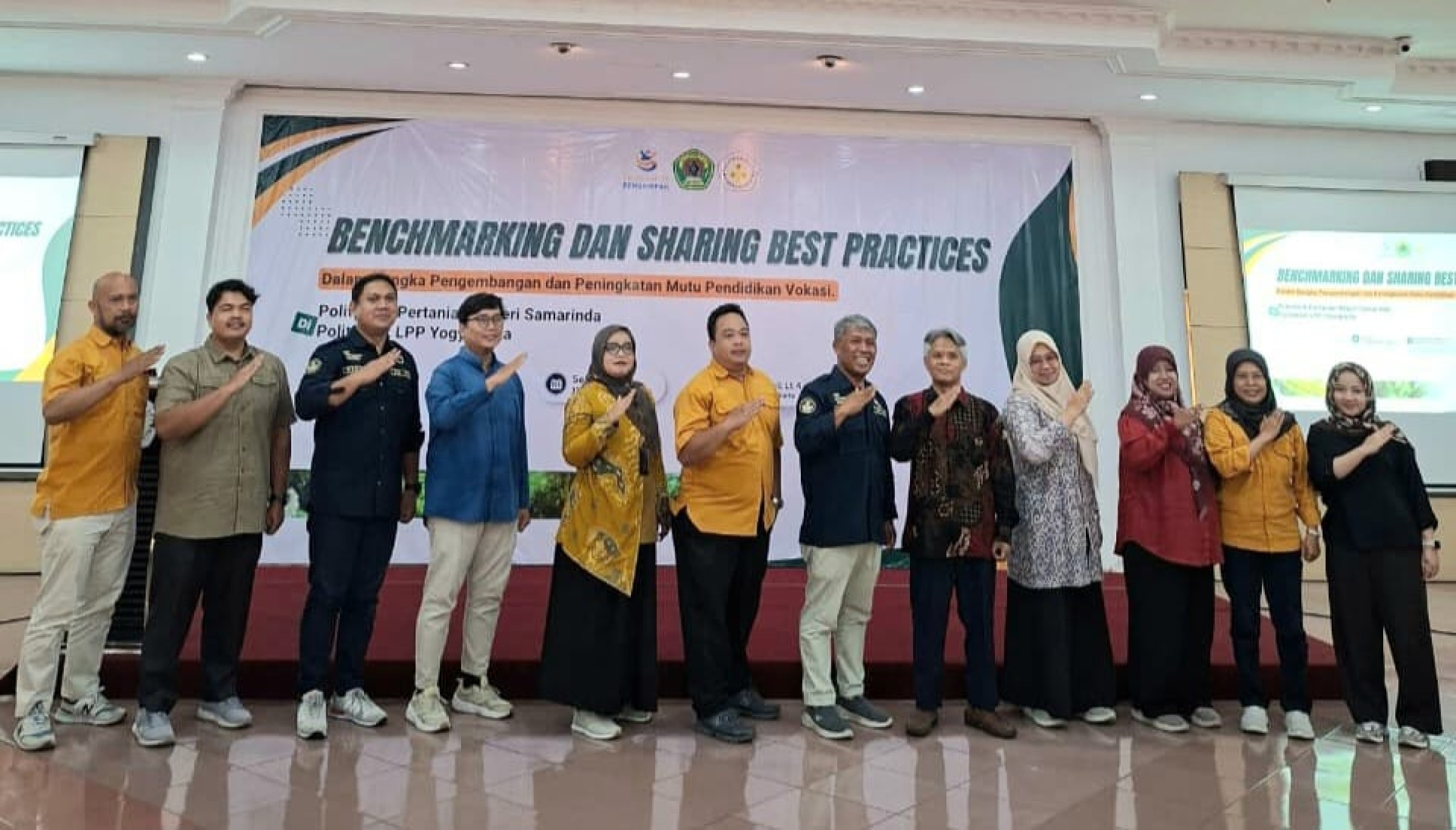
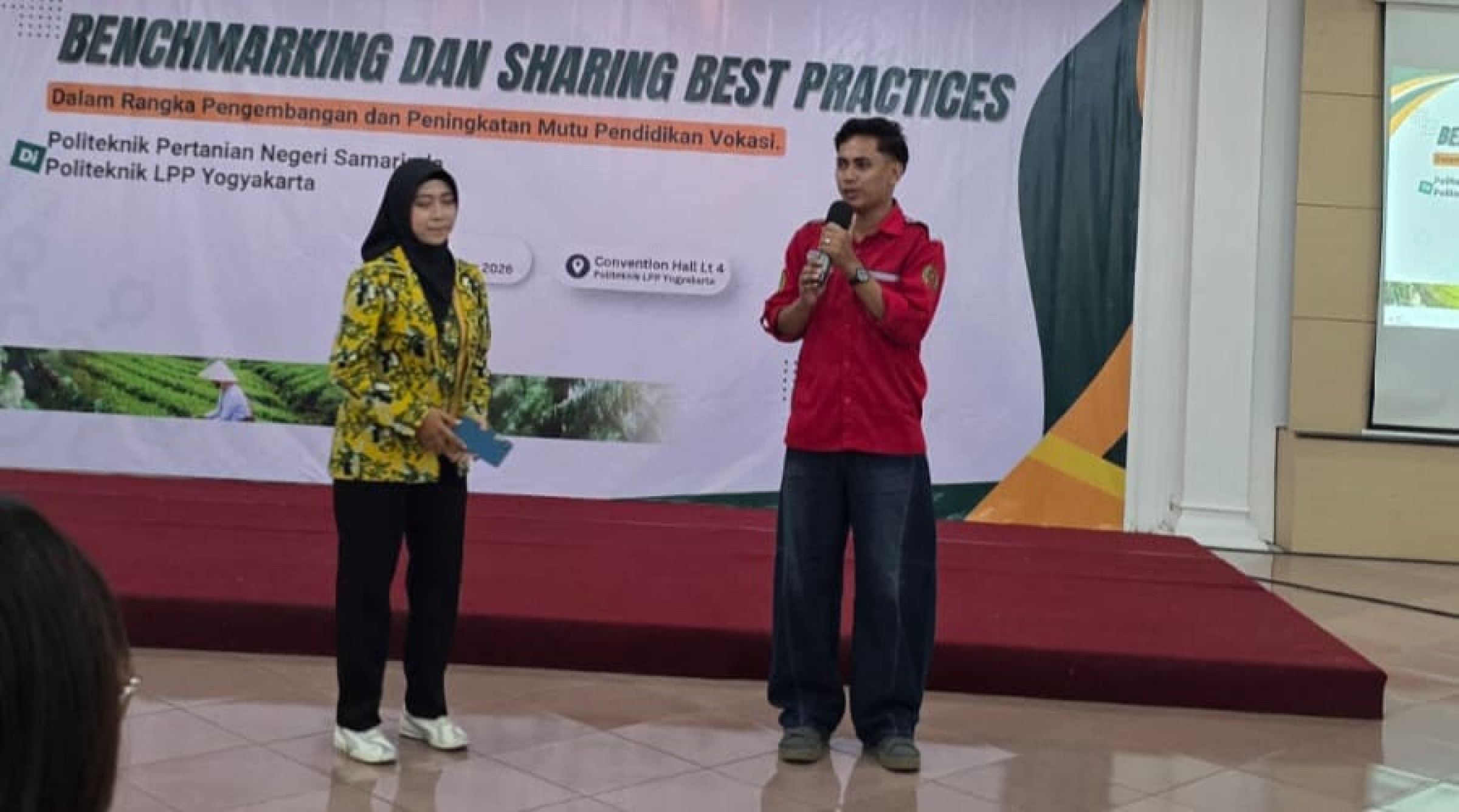
Through benchmarking forums, both institutions exchange experiences in managing vocational education services that align with the standards of the modern plantation industry.
Professional Orientation: Bridging Theory and Field Practice
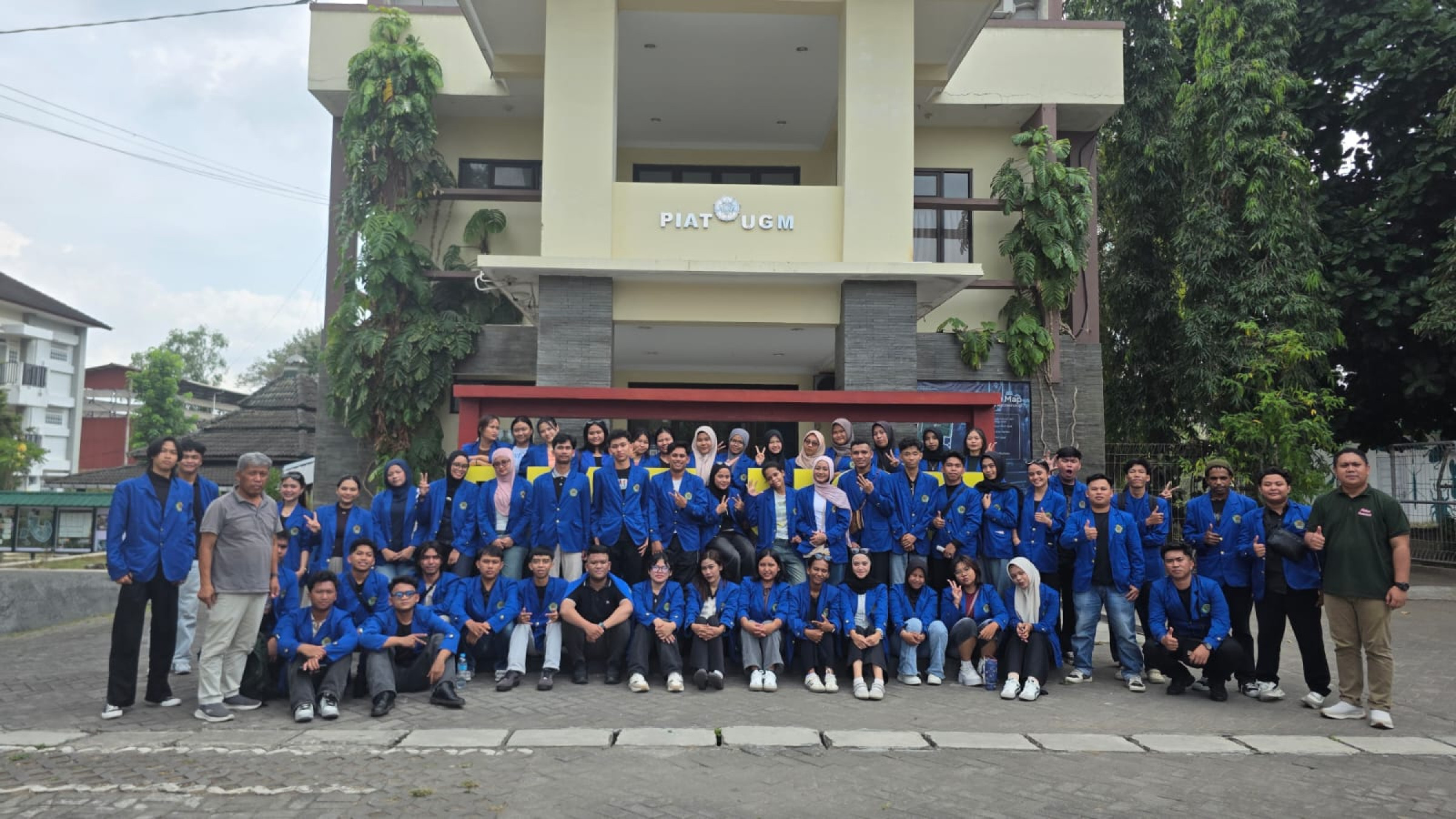
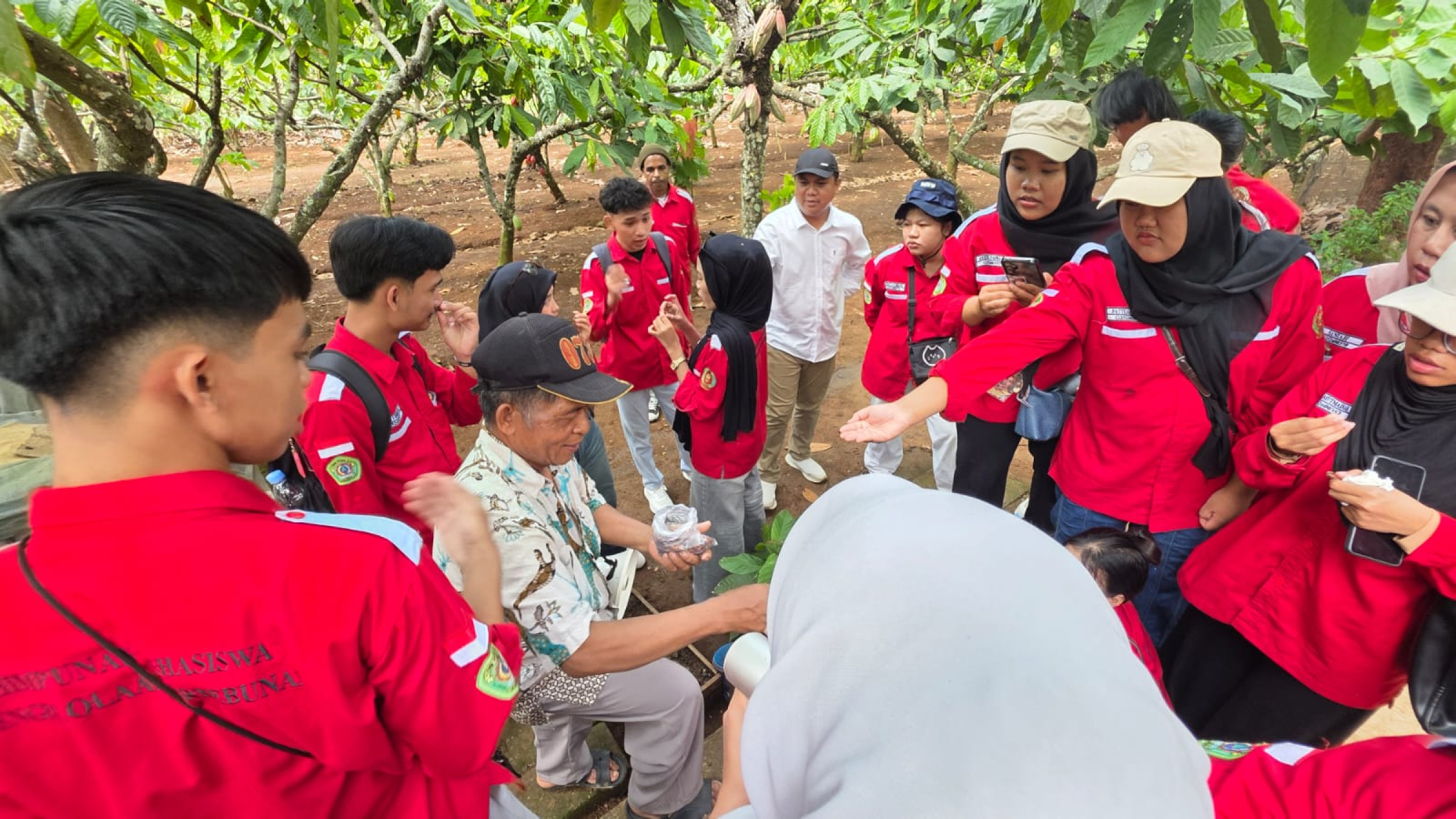
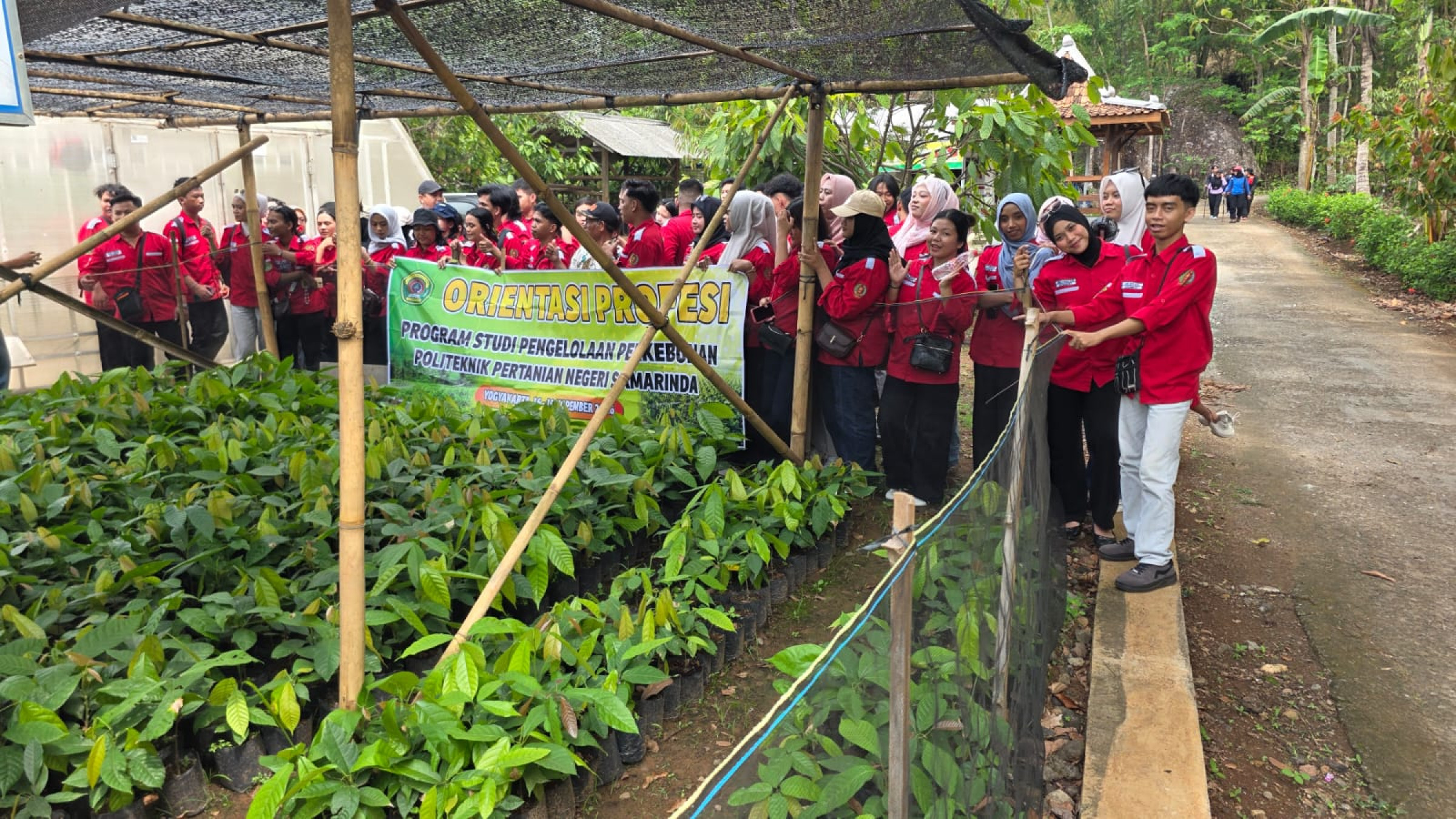
In line with the strengthening of institutional cooperation, students from the Plantation Management Study Program at Politani Samarinda participated in a four-day Professional Orientation program in Yogyakarta. This initiative is designed to take students beyond the classroom, allowing them to observe the working ecosystem of the plantation industry firsthand.
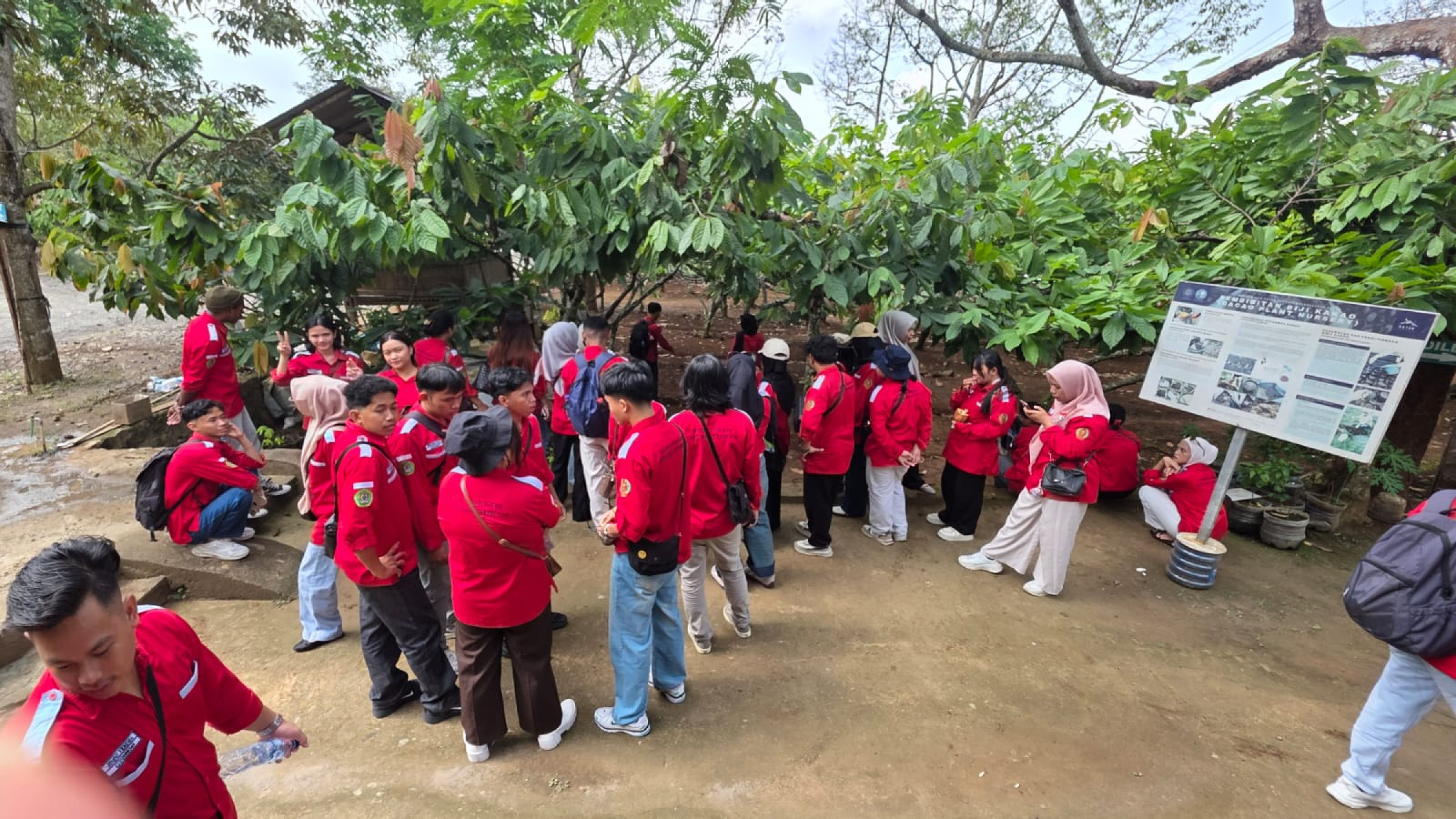
A key component of this orientation was a field visit to a plantation nursery. There, students gained direct insight into nursery management—the fundamental basis for the success of any plantation enterprise. This experience provided a technical understanding that plantation productivity is determined as early as the selection of high-quality planting materials, the application of precise nursery techniques, and professional cultivation planning. Beyond honing technical skills (hard skills), this direct field interaction also fosters discipline, adaptability, and a strong work ethic, preparing students for their future professional careers. A Tangible Manifestation of Impactful Higher Education in Science and Technology
The national oil palm plantation sector currently demands a workforce that is not only theoretically sound but also technically skilled, managerially competent, and well-versed in the principles of sustainability. The collaboration between Politani Samarinda and Politeknik LPP Yogyakarta serves as a concrete example of the "Impactful Higher Education in Science and Technology" (Diktisaintek Berdampak) initiative—demonstrating how higher education can provide direct solutions and tangible benefits for industrial advancement and the development of national human resources. Looking ahead, both institutions are committed to translating this understanding into concrete programs, aimed at fostering a new generation of Indonesian plantation professionals who are innovative and globally competitive. (HUMAS)